

Executive Advisory for CEO’s, Presidents & Boards
The most consequential decisions a CEO makes are rarely purely technological or purely operational. They sit at the intersection of both. An ERP implementation is a technology decision that rewires operational workflows across finance, production, and supply chain simultaneously. A digital transformation initiative changes how the business runs, not just what software it uses. A cybersecurity incident is a technology event with operational, regulatory, and reputational consequences that land squarely on the CEO's desk.
Turning Point Advisory's Executive Advisory service provides CEOs, Presidents, Founders, and Boards with a trusted senior advisor who operates across both dimensions — technology strategy and operational process — with direct experience working inside the industries we serve. We help business leaders make better decisions, ask harder questions, identify where their organizations are running below their potential, and govern complexity with the clarity that executive leadership requires.
This is not a consulting service that produces reports. It is a peer-level advisory relationship with an experienced executive — someone who has run technology and operations inside food and beverage organizations, higher education institutions, educational publishers, and medical device companies, and who can give you the kind of direct, informed counsel that is genuinely difficult to find at this level.
We serve CEOs, Presidents, Founders, COOs, CFOs, and Board members across Massachusetts, New England, and Southwest Florida..
The Advisory Gap at the Executive Level
Most mid-market CEOs carry two advisory gaps simultaneously — and rarely name either of them clearly.
The first is the technology gap: the distance between the CEO and the IT function, where technology decisions get made without adequate executive oversight, business strategy gets executed without adequate technology input, and the translation between the two happens imperfectly — until a failed project, a security incident, or a due diligence process makes the gap visible.
The second is the operational gap: the distance between how the organization is running and how it could run. Processes that made sense at a smaller scale but are creating friction at the current one. Departments operating in silos that a CEO can sense but hasn't had the independent perspective to diagnose precisely. Workflows that consume more time, more headcount, and more margin than they should — not because of bad people, but because the processes were never designed for the business the organization has become.
Both gaps are leadership problems. Both require an experienced advisor who can see across the whole business — not a technology specialist who sees only the IT environment, and not a process consultant who addresses only one function at a time. That is the role Executive Advisory fills: a senior advisor who sees both, understands how they interact, and helps the CEO address what is actually limiting the business.
Two Disciplines. One Advisory Relationship.
Our Executive Advisory service is built around two complementary areas of expertise that we bring to every engagement:
Technology Advisory

Technology strategy & investment governance
Independent assessment of major tech decisions
Board & investor technology preparation
Technology risk counsel
IT leadership evaluation & accountability
Digital transformation executive sponsorship
M&A technology due diligence
Operational Advisory
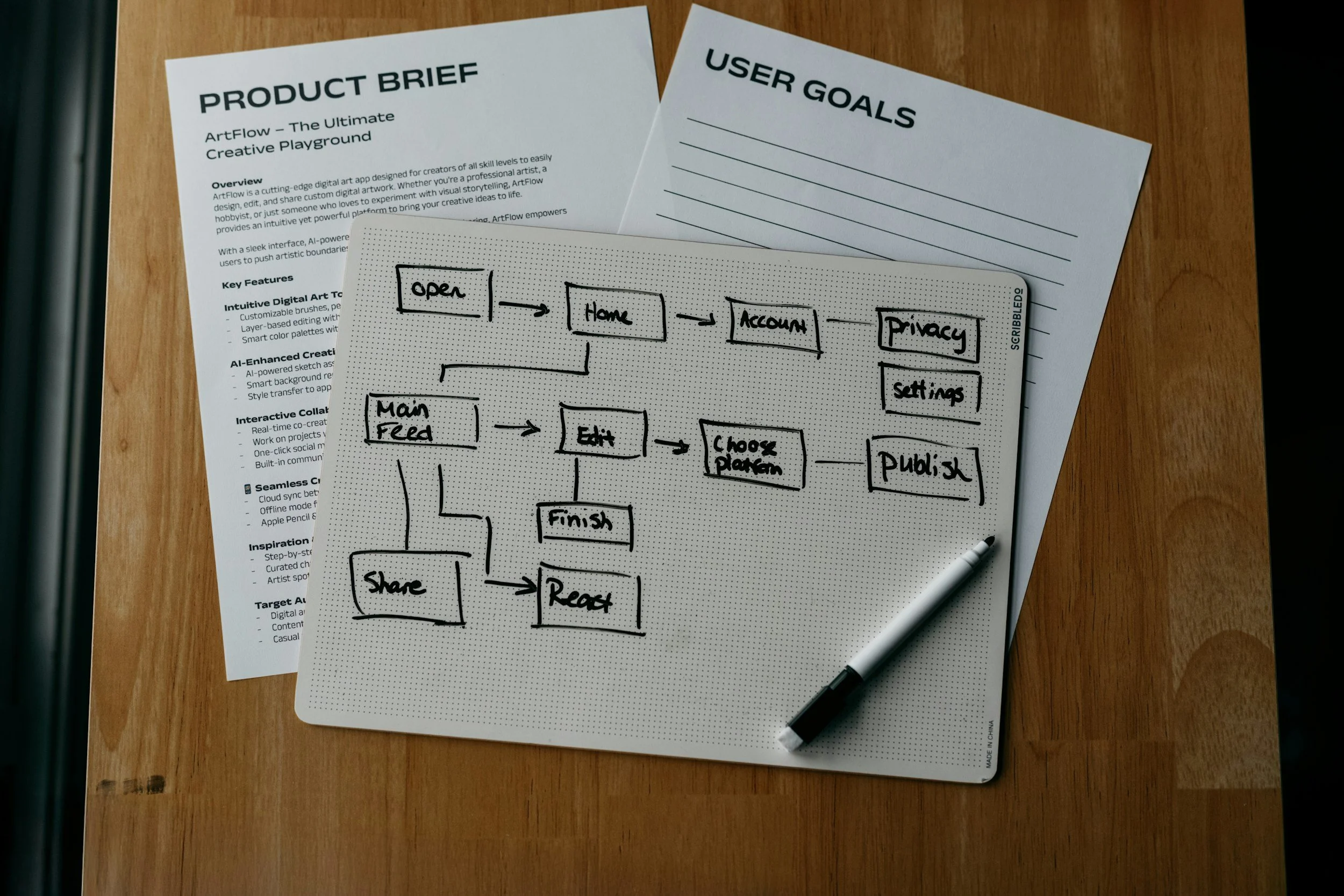
A Cross-departmental process assessment
Operational efficiency & workflow design
Organizational structure & accountability
Scaling operations for growth
Interdepartmental friction diagnosis
Operational readiness for M&A or PE
Change management & transformation support reimagining of a timeless brand.
What We Do for CEOs and Business Leaders
Every engagement is shaped around what the executive leader specifically needs. The work spans technology and operations — often simultaneously, because the most important business problems rarely stay cleanly on one side of that line.
-
Translating your technology environment into plain business language — what your IT team is doing, what they are recommending, what it will cost, and what it means for the business. We help CEOs understand what their technology can and cannot do, where the real risks are, and what decisions require executive attention rather than delegation. We also work in the other direction: ensuring the IT team has the business context to make decisions that serve the company's actual strategic priorities, not an internally-defined technology roadmap.
-
Providing an independent, experienced perspective on major technology decisions — ERP selection, platform investments, cloud strategy, cybersecurity programs, digital transformation initiatives. When your IT team or a vendor recommends a significant technology investment, we give you the independent assessment needed to evaluate it with confidence. We have no vendor relationships and no software partnerships. Our only obligation is to your business.
-
Assessing how your organization is running across departments — finance, operations, sales, production, customer service, HR — and identifying where processes are creating friction, consuming more resources than they should, or limiting the organization's ability to scale. This is not a single-function efficiency project. It is a cross-departmental diagnostic that gives the CEO a clear picture of where the organization is running below its potential — and a prioritized set of recommendations for closing the gap.
We have led and advised on operational transformation inside food and beverage companies, higher education institutions, educational publishers, and medical device manufacturers. We understand what well-run operations look like in each of these environments — and we know the patterns of operational dysfunction that recur across growing mid-market organizations regardless of industry.
-
Helping CEOs evaluate whether their organizational structure — roles, reporting lines, team composition, and accountability mechanisms — is designed for the business they are running today and the business they are building toward. Many mid-market organizations are running on structures and accountability frameworks that were built for a smaller, simpler version of the company. The misalignment shows up as unclear ownership, recurring decision-making bottlenecks, and leadership team friction that no amount of talent solves because the problem is structural, not personal.
-
Helping you govern technology as a capital investment — with the same rigor brought to every other major business decision. This includes establishing the right oversight structures for technology projects, defining what success looks like before commitments are made, and ensuring technology spend is generating the business outcomes it was intended to produce. For CEOs who find that IT projects consistently exceed budget or underdeliver on promises, this is often the highest-value single intervention we make.
-
Helping you think through — and address — the operational and technology changes required to support the next stage of business growth. The systems, processes, and organizational structures that work well at $20M frequently become constraints at $50M. At $50M they often become crises at $100M. We help CEOs anticipate these inflection points before they arrive, and build the operational and technology foundation that supports growth rather than limiting it.
-
Preparing you to represent your technology position and operational health credibly in board meetings, investor conversations, acquisition processes, and due diligence situations. We help you articulate the strength of your infrastructure and processes, address risk questions confidently, and ensure that both technology and operations are presented as strategic assets rather than operational afterthoughts. We have supported CEOs and business owners through technology and operational due diligence in M&A transactions, PE fundraising processes, and bank financing situations.
-
Giving you an honest, direct assessment of where your organization's technology and operational processes create business risk — cybersecurity exposure, compliance gaps, process fragility, organizational single points of failure, vendor dependency, and operational bottlenecks that are not yet crises but are trending toward one. Not a risk register. Not a process audit. A direct conversation with an experienced executive advisor about what is keeping your organization exposed — and what it would actually take to address it.
-
Helping you evaluate the performance and effectiveness of the leaders running your technology and operational functions — whether internal leaders, fractional executives, or managed service providers. We help CEOs understand whether their IT and operations leadership is performing to the standard the business requires, what changes would strengthen it, and how to structure accountability frameworks that give you genuine visibility into performance without micromanaging.
-
Supporting you in leading organizational change — whether that is a technology transformation, a process redesign, a structural reorganization, or a cultural shift required by business growth. Change at the CEO level is never purely technical. It is organizational, political, and human. We help executive leaders understand the change management requirements of what they are undertaking — and what their specific role needs to be to make it succeed.
Situations Where Executive Advisory Makes the Difference
Technology Situations
The major technology decision no one can evaluate independently
An ERP, platform, or infrastructure decision is on the table. The IT team has a recommendation. The vendor has a compelling pitch. You don't have the background to evaluate either confidently — and the stakes are too high to simply defer.
The organization is growing but operations haven't scaled with it
Revenue is growing but margins are compressing. Headcount is growing but productivity per person is declining. The processes that worked at your previous scale are visibly straining at the current one — but identifying precisely what to fix and in what order isn't clear from the inside.
The transformation initiative that has stalled
A major technology or digital transformation program is running significantly over budget and behind schedule. The team says they're close. You're not confident you're getting a straight answer about what's actually wrong or what it will take to finish.
Operational Situations
Departments are operating in silos that are costing you
Finance, operations, sales, and production are each doing their jobs — but they're not operating as a cohesive system. Information isn't flowing. Decisions that should be straightforward require too many people and too much time. The friction is visible but its source isn't.
Situations that span both
M&A — acquiring or being acquired
A transaction is in progress and technology and operational due diligence has surfaced questions or gaps that require an experienced advisor to interpret and address at the executive level — on both sides of the technology and operations line.
The board is asking technology questions you can't answer confidently
A major technology or digital transformation program is running significantly over budget and behind schedule. The team says they're close. You're not confident you're getting a straight answer about what's actually wrong or what it will take to finish.
The same operational problems keep recurring
You've addressed a process or operational problem two or three times and it keeps coming back. The underlying cause is structural — a workflow that was never designed correctly, an accountability gap, or a process that creates the wrong incentives — and surface-level fixes aren't reaching it.
A cybersecurity incident has occurred
A breach, a ransomware event, or a significant near-miss has happened. You are managing the response — to your board, your customers, your regulators — and need an experienced senior advisor, not just a technical team managing the remediation.
Preparing for a transaction that will scrutinize operations
An acquisition, a PE process, or a significant financing event is approaching and it will include operational due diligence. You want your operations to tell a credible, well-organized story — and an independent assessment of where the gaps are before the buyer finds them.
A new CEO or President is taking over
A leadership transition creates an immediate need for an honest, independent assessment of where the organization stands — technology infrastructure, operational health, team accountability, and the gaps between how the business is running and how it needs to run. A trusted external advisor gives new leadership clarity that internal reporting rarely does.
Executive Advisory by Industry
-
![exec_advisory_f&b]()
CEOs & Owners at Food & Beverage Companies
For food and beverage CEOs in Massachusetts and Southwest Florida, the challenges that require executive advisory typically sit at the intersection of technology & operations: an ERP decision that affects production, finance, and supply chain simultaneously; a supply chain that isn't providing the visibility needed to make confident sourcing and distribution decisions; FSMA 204 compliance requirements that have both IT infrastructure and operational process implications; and the organizational and process changes required to scale a regional food company into a multi-site operation without losing the operational discipline that got it there.
- ERP governance and independent investment assessment — technology & operational requirements together
- Supply chain process and technology advisory — where the operational gap & the technology gap meet
- FSMA 204 readiness — IT infrastructure and operational record keeping processes
- Operational scaling advisory for growing food manufacturers and distributors
- Technology and operational preparation for PE conversations, acquisitions, or bank financing
- Cross-departmental process assessment — production, finance, procurement, logistics
-
![exec_advisory_edtech_publishing]()
Presidents, Provosts & CEOs in Education & Publishing
For college and university presidents navigating major IT and operational transformation decisions, for CEOs of educational publishers managing the transition from print to digital operations, and for founders and executives of EdTech platforms building scalable businesses — the technology and operational dimensions of leadership are inseparable. A digital platform decision is an operational decision. A content workflow redesign is a technology decision. Nine years inside Vista Higher Learning and consulting at UNC and Cornell gives us direct experience in how these dimensions interact inside educational organizations — and where the most important leverage points for a CEO actually are.
- Higher education IT and operational governance — helping presidents and provosts make well-informed decisions across both dimensions
- Digital transformation executive sponsorship — technology and organizational change leadership for publishers and EdTech organizations
- Publishing operations advisory — editorial, production, and rights workflows in transition from print to digital
- Board and trustee advisory preparation — technology and operational health representation
- Investor and PE technology and operational advisory for EdTech CEOs
-
![exec_advisory_medical_devices]()
CEOs & Founders at Medical Device & Companies
For medical device CEOs and MedTech founders, the intersection of technology and operations is particularly consequential — because in a regulated manufacturing environment, operational processes are compliance processes. A change in how Device History Records are created and stored is both an operational decision and a 21 CFR Part 11 technology decision. A shift in production workflows requires design control documentation that touches both quality operations and IT systems. We help MedTech CEOs understand what their technology and operational infrastructure means for their regulatory standing, their investor narrative, and their path to commercial scale.
- Regulatory operations and technology advisory — FDA QMSR compliance across IT and quality operations together
- Technology and operational preparation for Series B/C fundraising and investor due diligence
- Pre-clearance operational & tech governance — ensuring the full infrastructure supports the regulatory submission
- Production operations advisory for manufacturers scaling from development to commercial production
- M&A technology and operational due diligence advisory for MedTech acquisitions and exits


How Executive Advisory Works
Executive Advisory is a peer-level relationship, not a service delivery arrangement. It looks less like a consulting engagement and more like having a trusted senior advisor available when you need one — someone you can call before a board meeting, before a vendor negotiation, before a difficult organizational decision, or when something in the business is giving you concern and you want an experienced perspective before you act on it.
The advisory spans technology and operations naturally — because that is how the business actually works. In the same conversation we might assess a technology investment decision, talk through an organizational accountability issue, and think through the operational implications of a growth strategy. The value is not that we have a methodology for each of these things. It is that we have direct experience navigating all of them inside organizations like yours.
Engagements are structured flexibly — a retainer-based relationship with defined availability, or a project-based engagement around a specific event such as an M&A transaction, an operational assessment, a board presentation, or a leadership evaluation. The format is shaped by what you actually need, not a predetermined service package.
In every engagement, you work directly with Geoff Pope. There are no junior associates, no templated reports, and no frameworks delivered without the context to make them actionable. The conversations are direct, the assessments are honest, and the advice is shaped by decades of executive experience inside the industries and organizations we serve.
Why CEOs Choose Turning Point Advisory
We see across technology and operations — together. Most advisors specialize in one or the other. We bring direct experience in both, which means we can identify the problems that sit at the intersection of technology and operations — the ones that look like IT problems but are actually process problems, or look like operational problems but are rooted in the systems that support them.
We have worked inside organizations like yours. Our counsel is grounded in direct experience inside food and beverage companies, higher education institutions, educational publishers, and medical device organizations — not in frameworks developed for different industries and adapted to yours. We understand what good operations and good technology look like in your specific environment.
We are completely independent. We have no software vendor relationships, no technology partnerships, and no financial interest in any technology or operational outcome other than what is right for your business. Our only obligation is to you.
We translate complexity into business language. We do not produce technical reports or process maps. We have direct conversations with business leaders about what decisions mean for their company — in the language of growth, risk, capital, and competitive position.
We are a peer, not a vendor. We engage at the CEO level because the decisions that matter most to your business require executive-level advisory — not a project team, a monthly status call, or a deliverable-driven consulting arrangement.
We are in your markets. Headquartered in Melrose, Massachusetts, with an active practice in Southwest Florida — serving food & beverage, education, and medical device leaders across both markets.
Executive Advisory FAQs
-
Yes — that is precisely what Executive Advisory is designed for. The technology decisions and the operational decisions facing a CEO are rarely cleanly separable. An ERP implementation is a technology decision that rewires operational workflows. A process redesign frequently requires technology changes to be sustainable. A scaling challenge is almost always both an operational and a technology problem simultaneously. We work across both dimensions because that is how business challenges actually present themselves at the CEO level.
-
Absolutely — and most of our Executive Advisory clients are not technologists. The service is designed specifically for business leaders who make decisions shaped by technology and operations but who are not specialists in either. You do not need to understand IT or process engineering to benefit. You need clear, experienced counsel from someone who does — and who can give it to you in business language without requiring you to become a specialist yourself.
-
A Fractional CIO is embedded in your technology organization — attending IT team meetings, leading technology evaluations, managing vendors, building roadmaps. The engagement is operational as well as strategic within the technology function, and the Fractional CIO typically works alongside or in place of an internal IT leader.
Executive Advisory is a peer-level relationship with the CEO — providing independent counsel across technology and operations without being embedded in the day-to-day management of either function. It also extends beyond technology to cover operational process and organizational advisory. Many organizations benefit from both: a Fractional CIO leading the technology function, and Executive Advisory ensuring the CEO has an independent senior perspective on how both technology and operations are serving the business.
-
It begins with a cross-departmental assessment — an honest, structured look at how the organization is running across finance, operations, sales, production, customer service, and other functions relevant to your business. We identify where processes are creating friction, where accountability is unclear, where the organization's structure is limiting performance, and where the gap between how the business runs today and how it needs to run at the next stage of growth is widest. From that foundation, we work with the CEO to prioritize interventions — some of which are organizational, some operational, and some technological — and to govern the change required to close those gaps.
-
Yes. Executive Advisory is designed to complement, not replace, internal leadership. We provide the CEO with an independent perspective on both functions — an honest assessment of performance, an independent voice on major decisions, and a sounding board that is separate from the internal reporting chain. Many CEOs find this combination — strong internal leadership in IT and operations plus independent executive advisory — gives them confidence across both dimensions simultaneously.
-
Engagements vary significantly based on what the CEO needs. Some are ongoing retainer relationships — regular advisory conversations, on-call availability for specific decisions, and periodic assessments of technology and operational health. Others are event-based — focused on a specific M&A transaction, an operational assessment ahead of a PE process, a board presentation, or a leadership or program evaluation. We shape the engagement around what you actually need, not a standard service package. Every engagement begins with a 45-minute no-pressure conversation about your situation.
-
Reach out directly — by email or phone — to schedule a 45-minute conversation. No preparation required. We will learn about your business, what you are navigating, and where you feel the gaps most acutely. We will give you an honest assessment of whether there is a fit and what an engagement would look like.
Let's Have a Direct Conversation
If you are a CEO, President, Founder, or Board member navigating a technology decision, an operational challenge, or both — and you want an experienced, independent senior advisor in your corner — we would welcome a direct conversation.
No preparation required. No proposal unless you want one. Just an honest discussion about where we can help.